
MindHer
Understanding menopause. Sharing knowledge. Starting conversations.
MindHer is a youth-led initiative founded by Trishha Behal, exploring the connection between menopause, women’s health and the brain.
Developed under the guidance of Dr. Meenakshi Ahuja, the initiative takes research beyond the classroom through accessible educational resources, bilingual awareness material and conversations with women in community and clinical settings.
Turning an academic interest into accessible health education.
It began with
a question
My interest in neuroscience led me to explore the role of estrogen in the brain and the neurological changes associated with women's health.
As I read more about menopause, I became interested not only in the science, but also in how little of this information reaches women in an accessible form.
Under the guidance of Dr. Meenakshi Ahuja, I began studying the medical, neurological and emotional aspects of menopause. What started as an academic exploration gradually developed into MindHer — an effort to translate research into information that women could understand, discuss and use.
Through bilingual educational material and community sessions, I have tried to take what I was learning beyond my own research and into conversations with women from different backgrounds.
English +
Hindi
Accessible educational resources
NGOs
Community outreach across Delhi NCR
Clinics
Educational resources in a clinical setting
Understanding the science
behind the conversation.
MindHer began with research into the relationship between hormonal change, menopause and brain health.
The research explored how declining estrogen levels can influence neurological processes as well as symptoms associated with memory, brain fog, sleep and mood.
How can scientific information be communicated in a way that is understandable and useful outside academic and clinical settings?
Menopause & the Brain
I began by reviewing research on estrogen, menopause and neurological health, with particular interest in changes involving memory, mood and cognition.
From research to clinical understanding
Working under the guidance of Dr. Meenakshi Ahuja helped me connect published research with a better understanding of women’s questions and concerns around menopause.
Listening beyond the research
Community interactions showed me how differently women understand and experience menopause, and how language, access to information and social discomfort can influence these conversations.
Turning research into resources
I used these learnings to develop simple educational material in English and Hindi, designed to make complex information about menopause and brain health easier to understand.
Creating Real Change, One Conversation at a Time
Through research, education and community engagement, MindHer is making reliable women's health information accessible to those who need it most.
Women directly reached through Trisha's awareness sessions
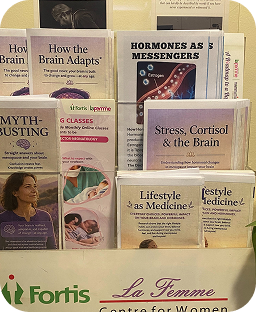
Clinic displaying and distributing MindHer Pamphlets
Potential women reached every day through pamphlets in participating clinics
English + Hindi
Turning research into information
women can use.
As I learnt more about menopause and its connection with the brain, I realised that scientific information is only useful if people can understand and access it.
I therefore developed a series of simple educational resources that translate some of what I was learning into clear, approachable information. To make them accessible to more women, resources were created in English and Hindi and shared during community awareness sessions and through clinical settings.
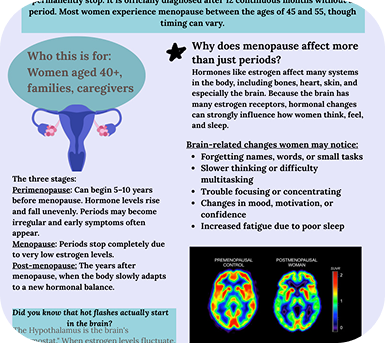
Understanding Menopause
What is Happening in the Body & Brain?An illustrated two-page resource introducing the stages of menopause, brain-related changes, memory, brain fog, mood and when symptoms may need attention.
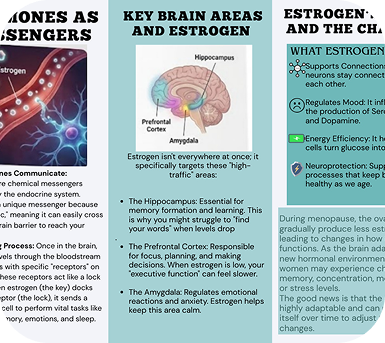
Hormones as Messengers
Understanding Estrogen and the BrainA visual explainer on estrogen, key brain areas, memory, focus, mood, sleep and how the brain adapts during the menopause transition.
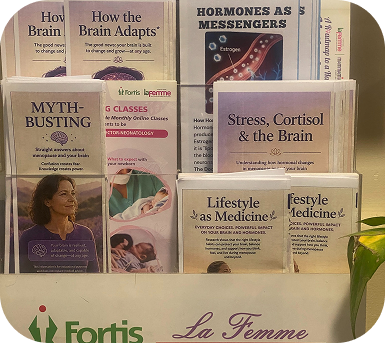
Shared Beyond the Session
MindHer resources were used during community conversations and later placed in a clinical setting at Fortis La Femme Centre for Women, extending their reach beyond one-time sessions.
Sessions built on dialogue,
not lectures.
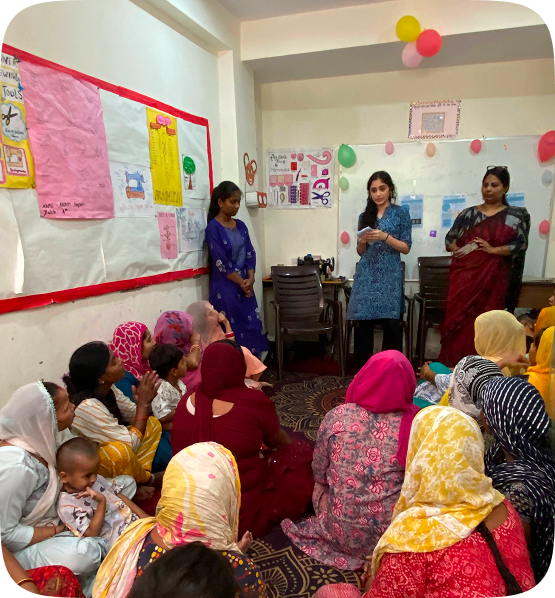
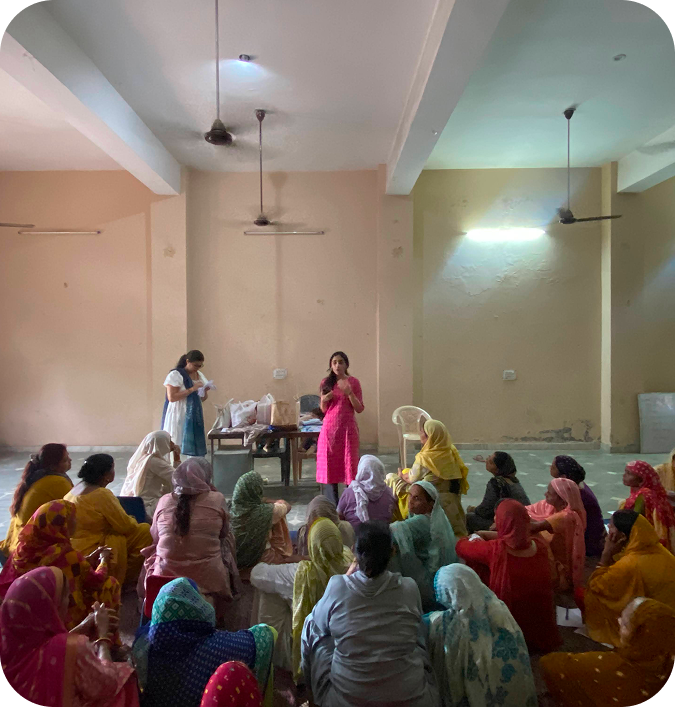
MindHer sessions are designed as conversations rather than formal lectures. Alongside a short presentation, women are encouraged to ask questions, share experiences and discuss symptoms or concerns that they may not previously have spoken about openly.
Community Sessions
Interactive sessions with women from community groups, combining short presentations, open Q&A and bilingual educational resources.
Familiar Settings
Sessions with domestic workers and support staff within residential communities, bringing accessible health information into familiar settings.
Extending the Reach
MindHer educational material is also available in clinical settings, extending the initiative beyond individual awareness sessions.
MindHer's community engagement has taken place across NGOs, RWAs and other community settings in Delhi NCR. Rather than presenting the work as a fixed number of sessions, these photographs offer a glimpse of the wider outreach — conversations, awareness activities, bilingual resource sharing and one-to-one interactions with women from different backgrounds.
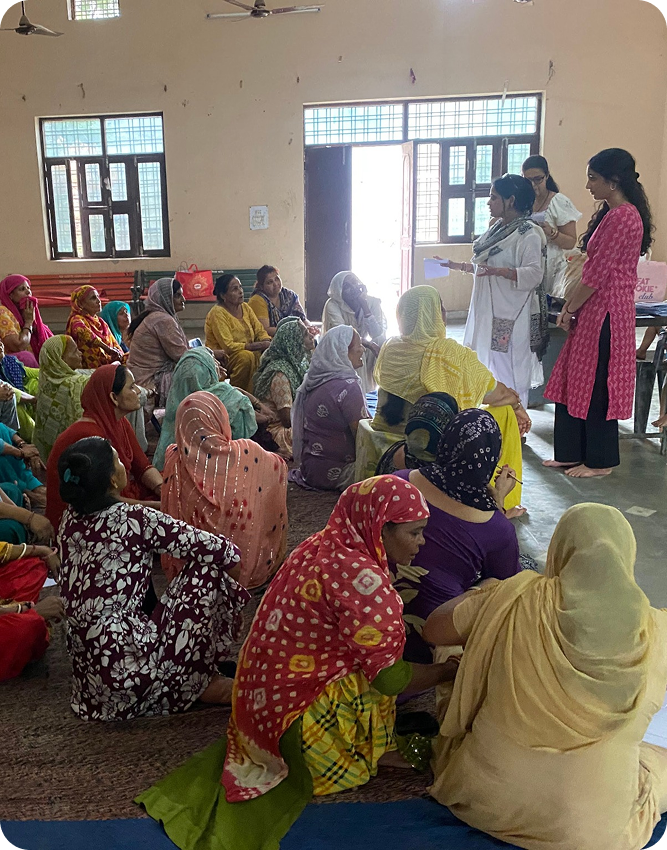
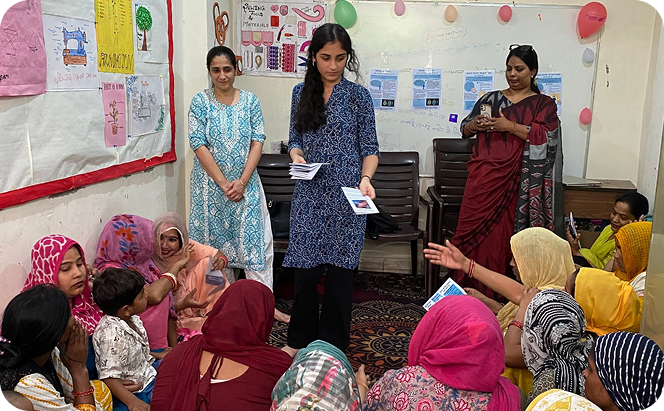
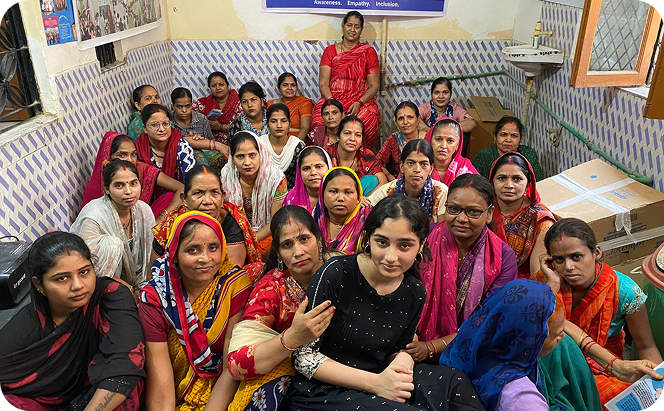
Community Conversations
Awareness activities with women's groups in NGO and community settings, combining accessible explanations, questions and open discussion.
Residential Outreach
Conversations within residential communities, including engagement with domestic workers, support staff and women who may not always have easy access to reliable health information.
Information That Travels Further
English and Hindi educational material used during outreach so women could revisit the information and share it with others beyond the immediate interaction.
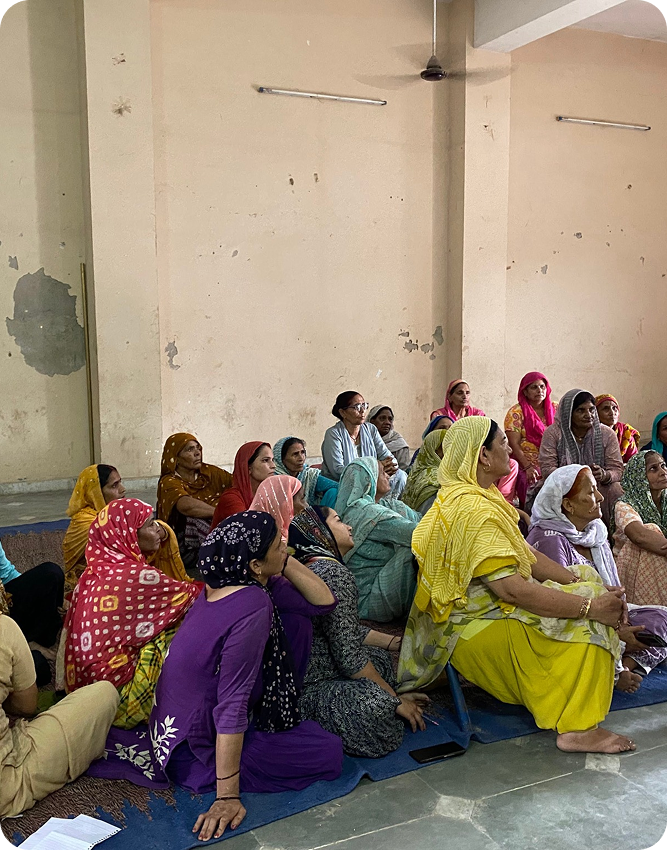
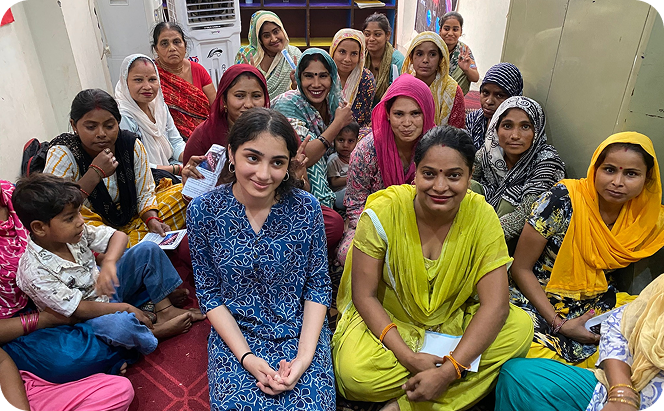
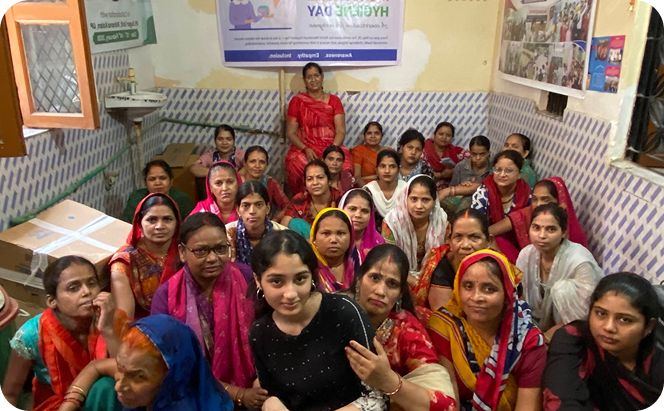
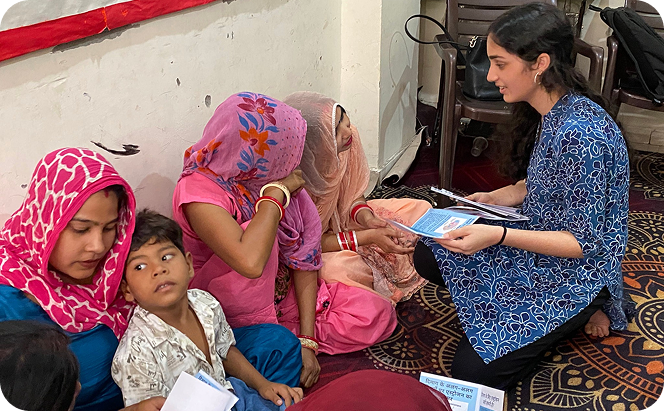
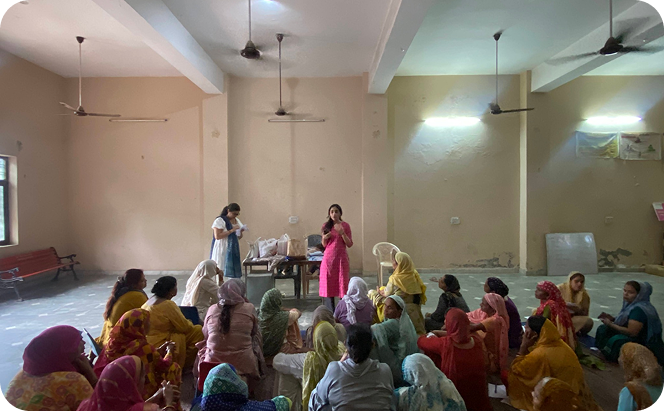
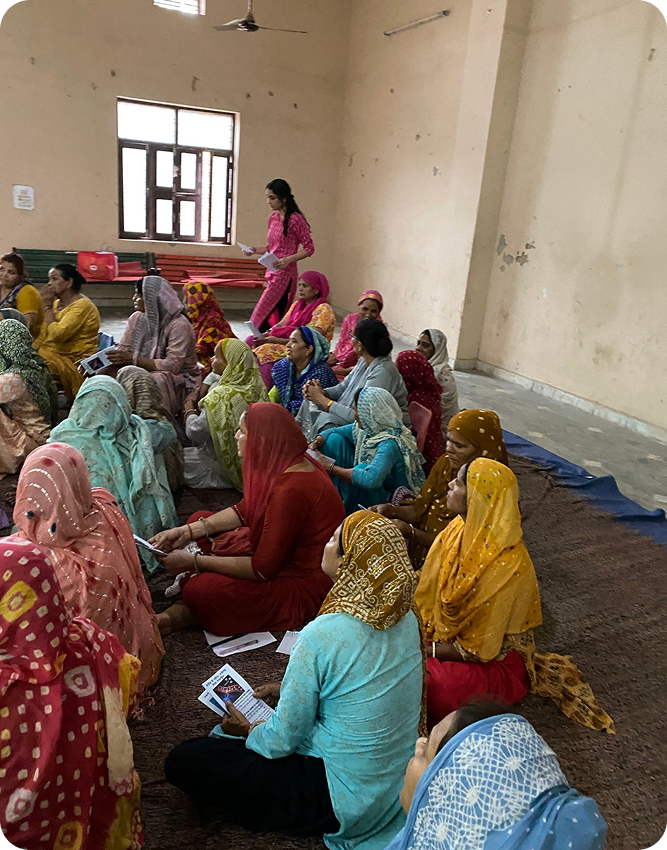
Photographs shown are representative moments from MindHer's wider NGO, RWA and community outreach across Delhi NCR.
From sessions to
clinic waiting rooms.
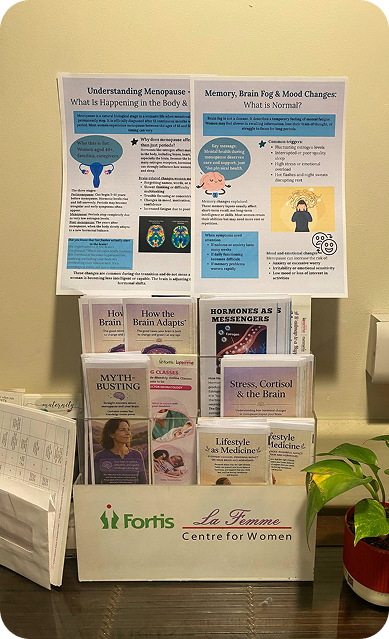
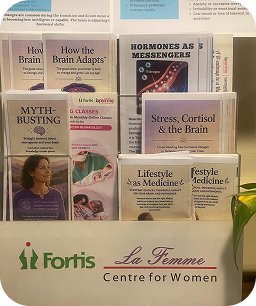
MindHer’s educational pamphlets were positively received by Fortis La Femme and other clinics, where healthcare professionals were happy to display and share them with patients as part of wider menopause awareness.
The resources introduce women to the physical and neurological changes associated with menopause, including memory, brain fog and mood changes.
Developed under the guidance of Dr. Meenakshi Ahuja, the resources translate research into accessible information that can continue reaching women beyond a single session and into everyday healthcare settings.
Photographs shown here document the resources on display at Fortis La Femme; the wider clinical outreach also included other clinics that welcomed the pamphlets for patient awareness.
Speaking about her research under
expert guidance
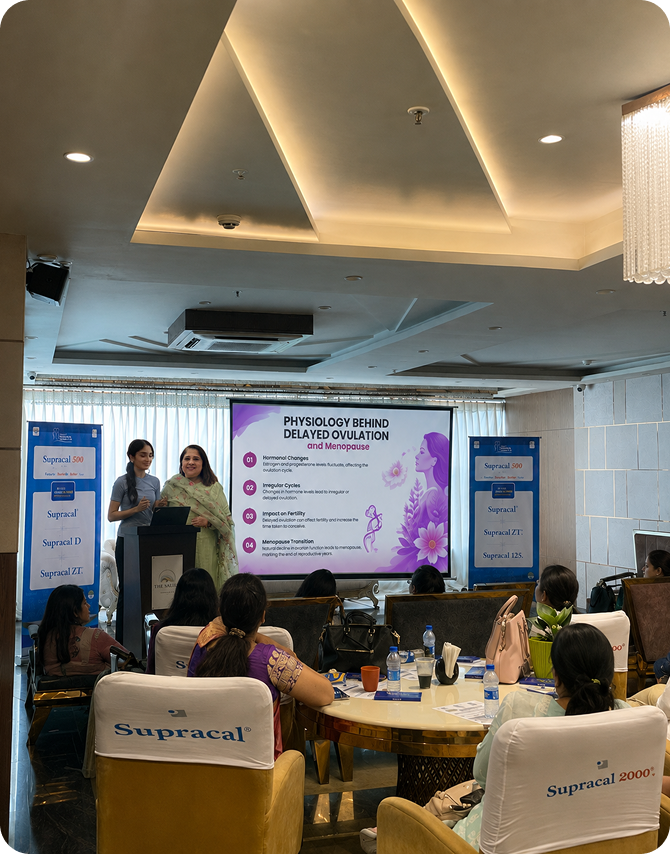
As part of her continued learning under the guidance of Dr. Meenakshi Ahuja, Trishha attended The Changing Face of Menopause — Delayed, Different and Discussed, a professional programme organised by the AOGD Menopause and Geriatric Subcommittee Society in association with the Delhi Gynaecologist Forum and Delhi Menopause Society.
At the session, Trishha was given an opportunity to speak about her research and share what she had been studying under Dr. Ahuja’s guidance. Being in a room with practising gynaecologists and specialists allowed her to see how the hormonal and neurological themes she had encountered through research are discussed in a professional setting.
“Presenting my work in a room of doctors was very different from studying the subject on my own. It made me think more carefully about how research can be communicated clearly and how the same science connects with the experiences of real women.”
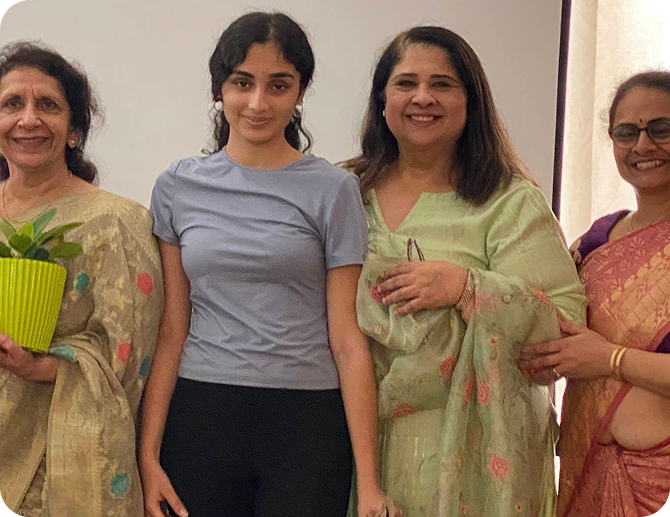
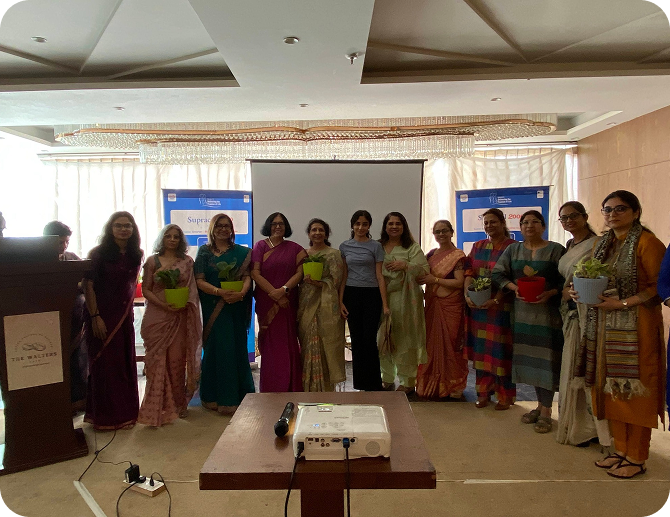
Trishha with Dr. Meenakshi Ahuja during the session, where she was given an opportunity to speak about research undertaken under Dr. Ahuja’s guidance.
From learning
to action.
What began as an exploration of neuroscience and women’s health has developed into an initiative combining research, accessible educational resources and direct community engagement.
Community Reach
Direct conversations with women through NGO and community awareness sessions across Delhi NCR.
English + Hindi
Bilingual educational resources designed to make information easier to understand and share.
Open Conversations
Interactive awareness sessions combining discussion, questions and one-to-one pamphlet walkthroughs.
Clinical Reach
Educational resources welcomed by Fortis La Femme and other clinics for display and patient awareness.
The science
behind MindHer.
Estrogen as a Neurosteroid:
Implications for Neuroprotection
in Parkinson’s Disease
A literature review exploring estrogen's role as a neurosteroid and its potential relationship with neuroprotection and neurodegenerative disease.
Supported along the way.
MindHer has grown with the guidance of healthcare professionals and the support of organisations and communities that have welcomed its sessions.
Dr. Meenakshi Ahuja
Principal Director, Obstetrics & Gynaecology, Fortis La Femme Hospital
Chairperson, Website Committee, Indian Menopause Society
Former President, Delhi Menopause Society
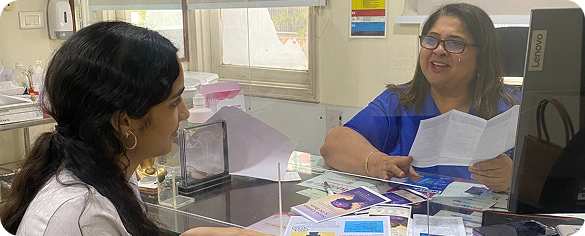
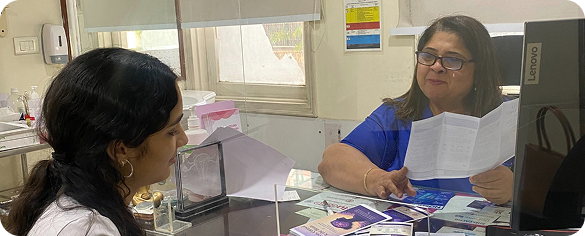
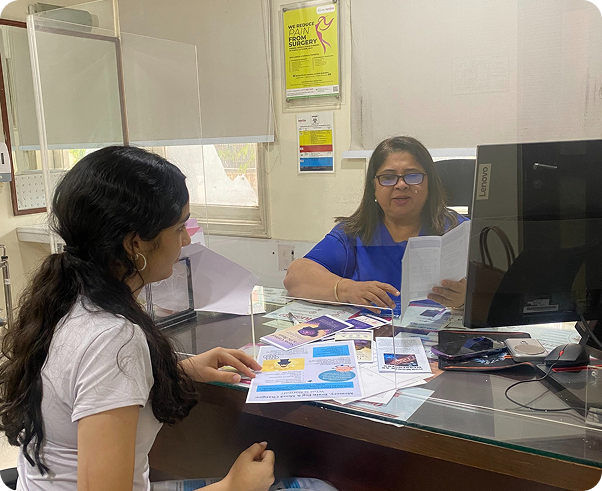
Dr. Meenakshi Ahuja has guided Trishha’s exploration of menopause and women’s health, helping her connect academic research with a better understanding of clinical communication and patient concerns.
Research, review & clinical
conversation
Trishha’s work under Dr. Ahuja’s guidance included discussing educational material, connecting research with women’s real questions, and receiving the opportunity to speak about her research in a professional menopause forum.
Recognition from
communities & professionals.
MindHer’s outreach has also been acknowledged through letters of appreciation and endorsements from people and organisations who have engaged with the initiative.
Letters of Recommendation
RWAs & Community Organisations
Letters of appreciation recognise Trishha's effort to bring accessible menopause awareness into residential and community settings, including conversations with women who may otherwise have limited access to reliable information.
Healthcare Professionals
Medical professionals and clinics have responded positively to the educational resources, with pamphlets welcomed for display and patient sharing in clinical environments.
Validation of the Initiative
Letters of appreciation recognise Trishha's effort to bring accessible menopause awareness into residential and community settings, including conversations with women who may otherwise have limited access to reliable information.
Making women’s health
information easier to
understand.
MindHer hopes to continue creating accessible resources and conversations around women’s health — particularly in communities where reliable information may be difficult to access.
The aim is simple: to help more women understand the changes they experience and feel better equipped to seek informed medical support when they need it.
Host a Session
Invite MindHer to conduct an awareness session for students, parents, staff or community groups.
Collaborate
Bring bilingual menopause-awareness resources and sessions to your community.
Share a Resource
Explore the use of MindHer educational resources in waiting rooms or collaborate on future awareness material.
Host a session.
Share a resource.
Start a conversation.
If you represent a school, NGO, community organisation or healthcare practice and would like to collaborate with MindHer, please get in touch.